Reading the image series
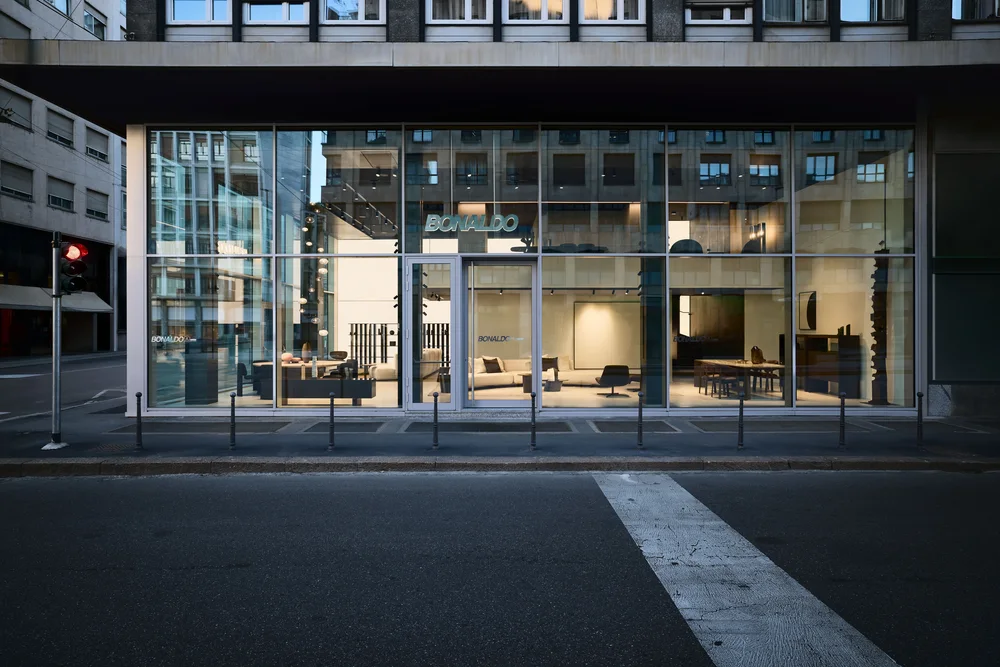
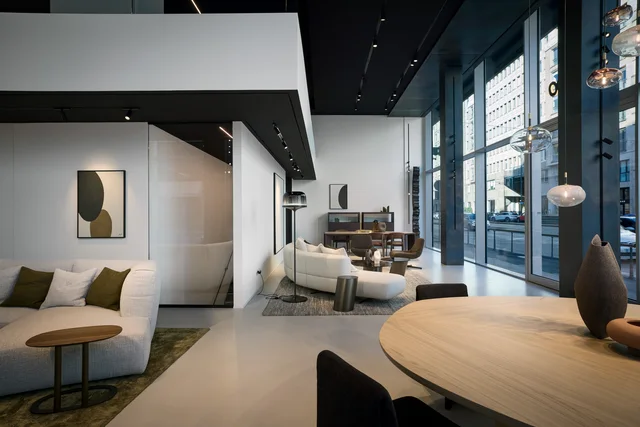
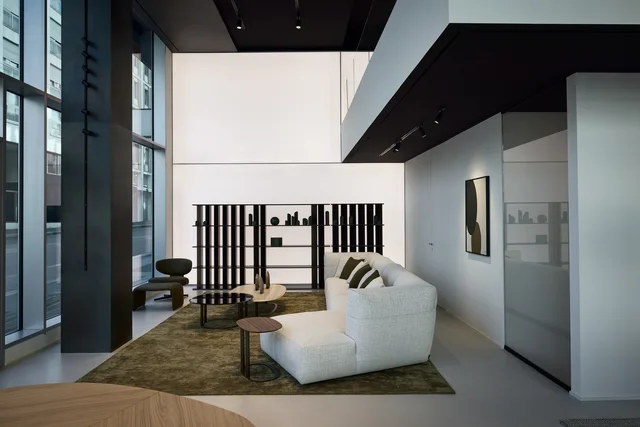
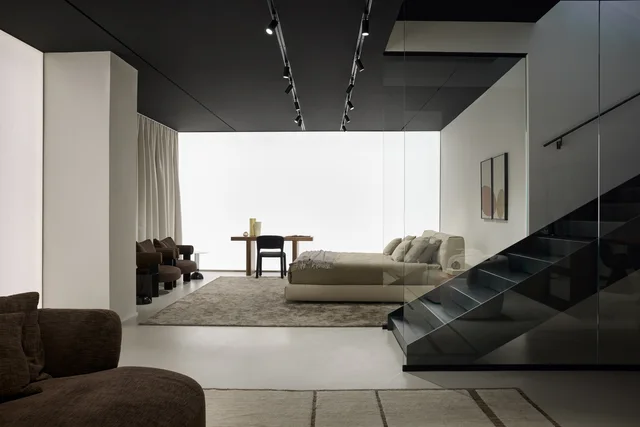
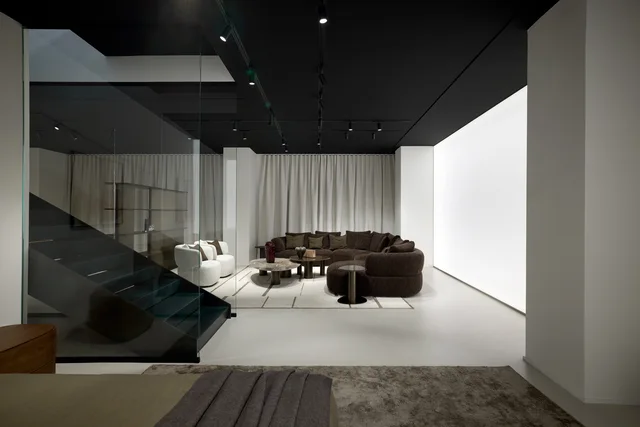
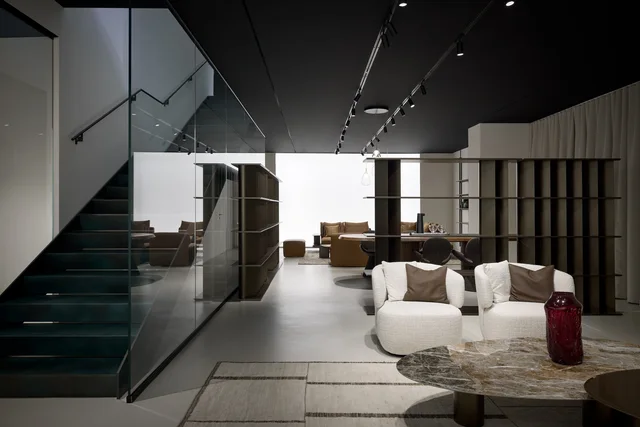
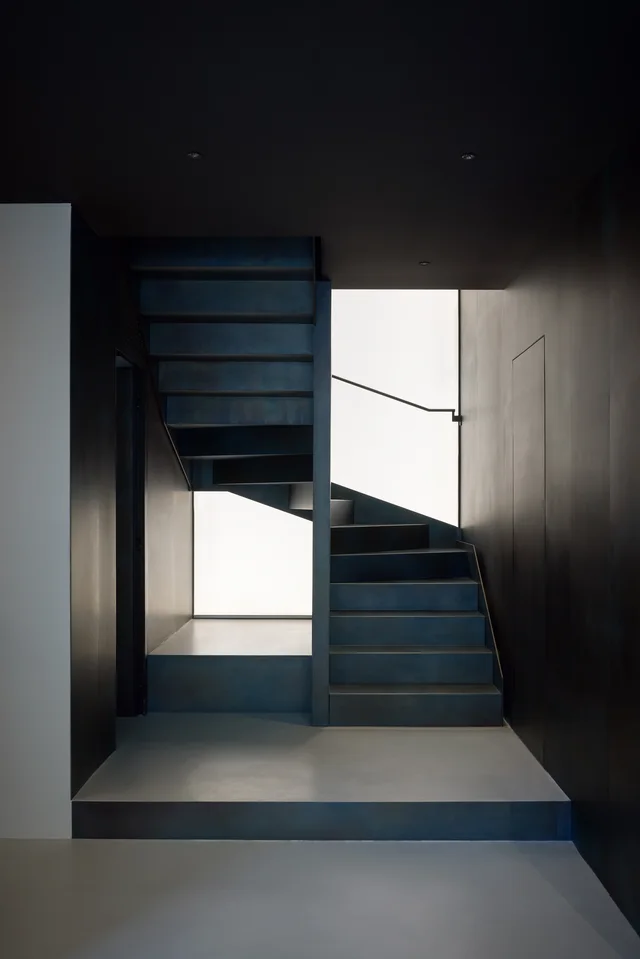
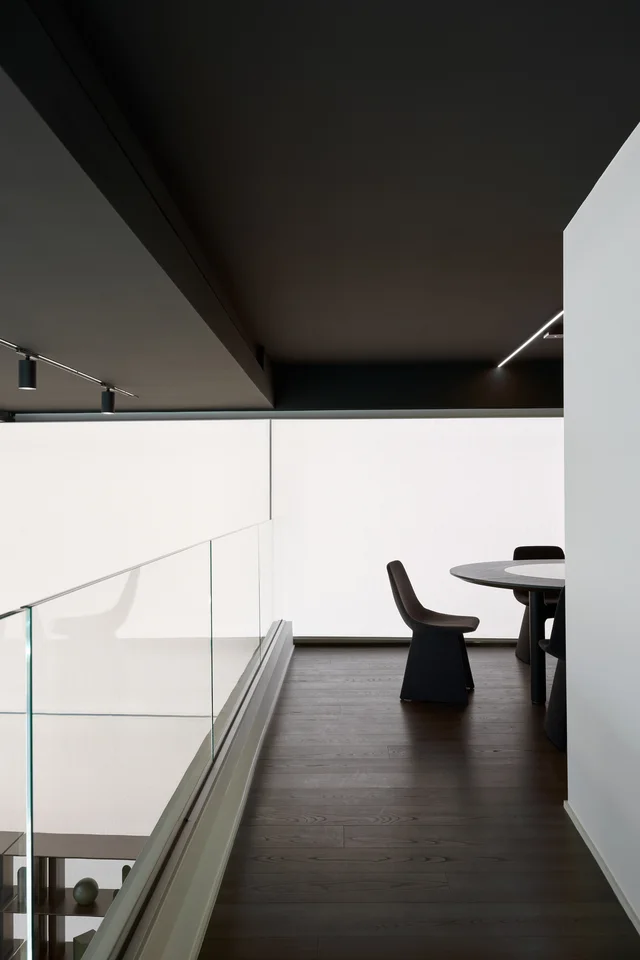
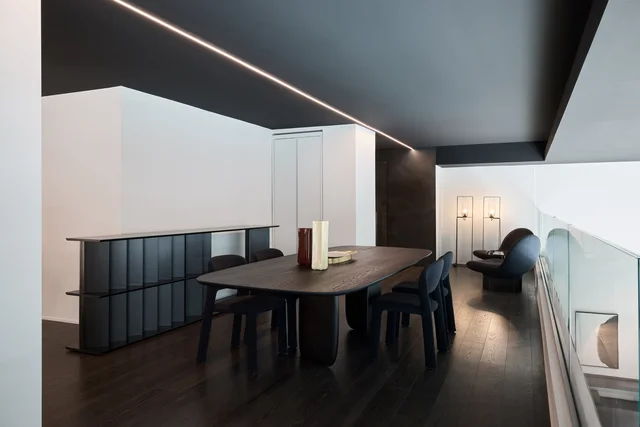
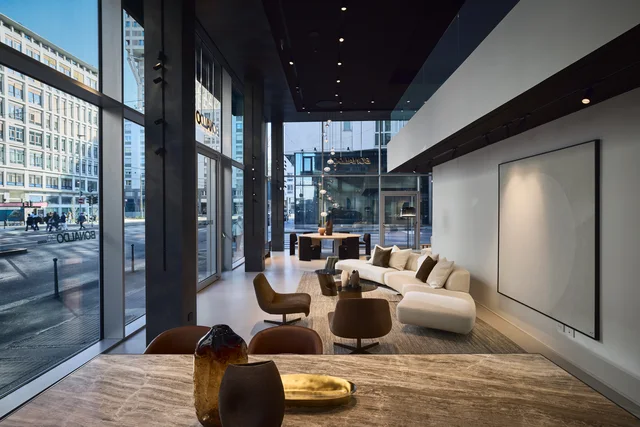
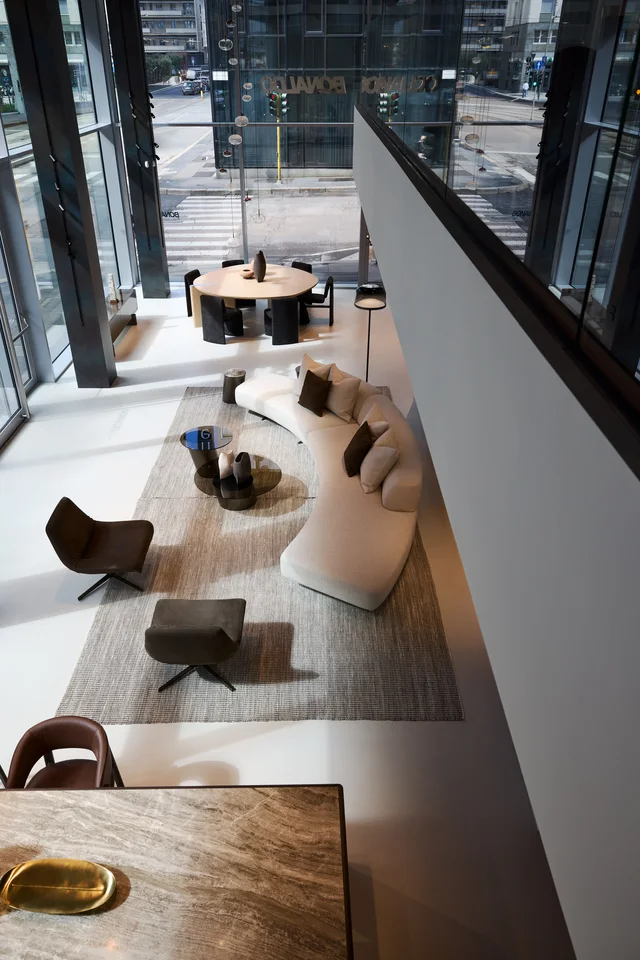
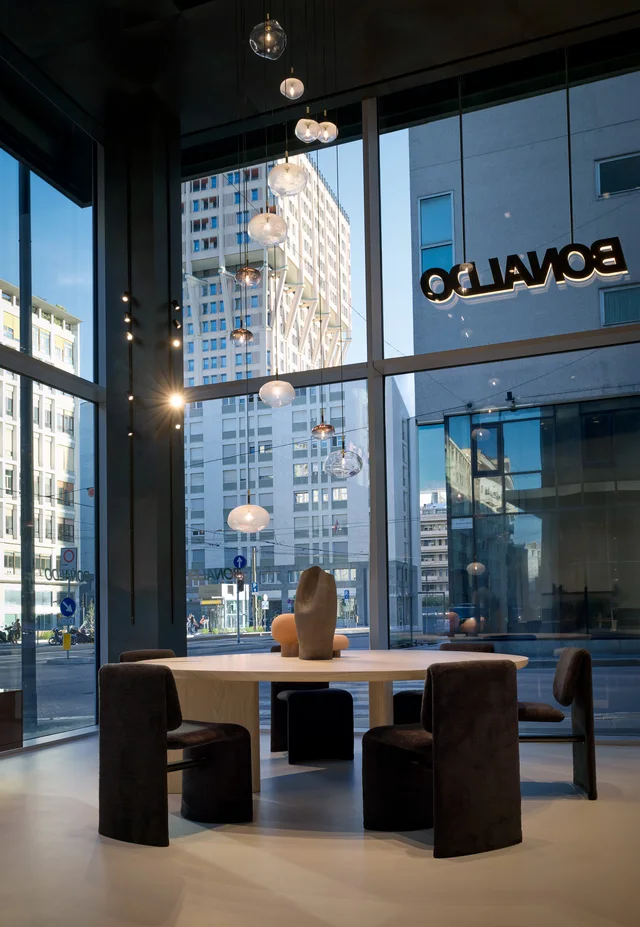
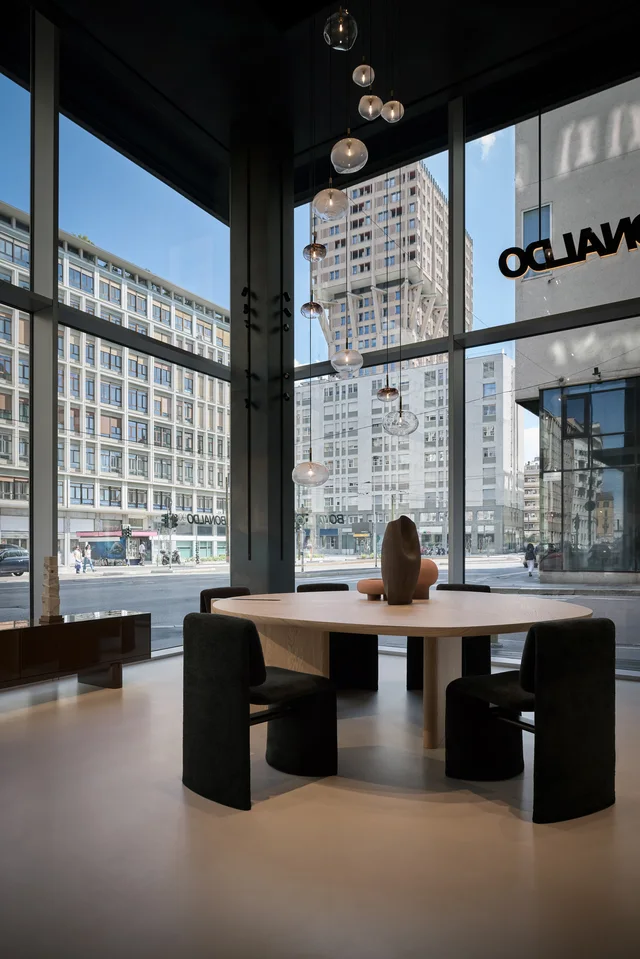
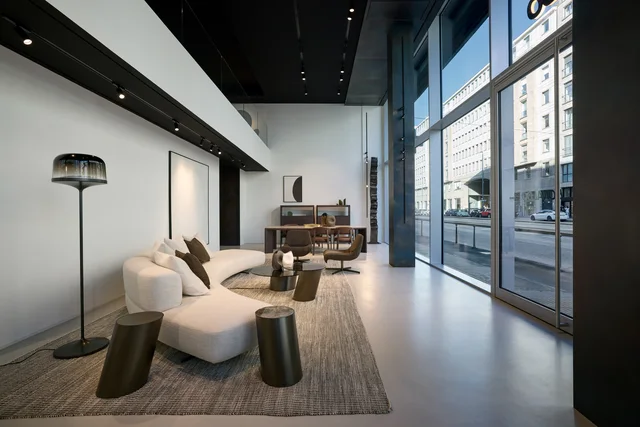
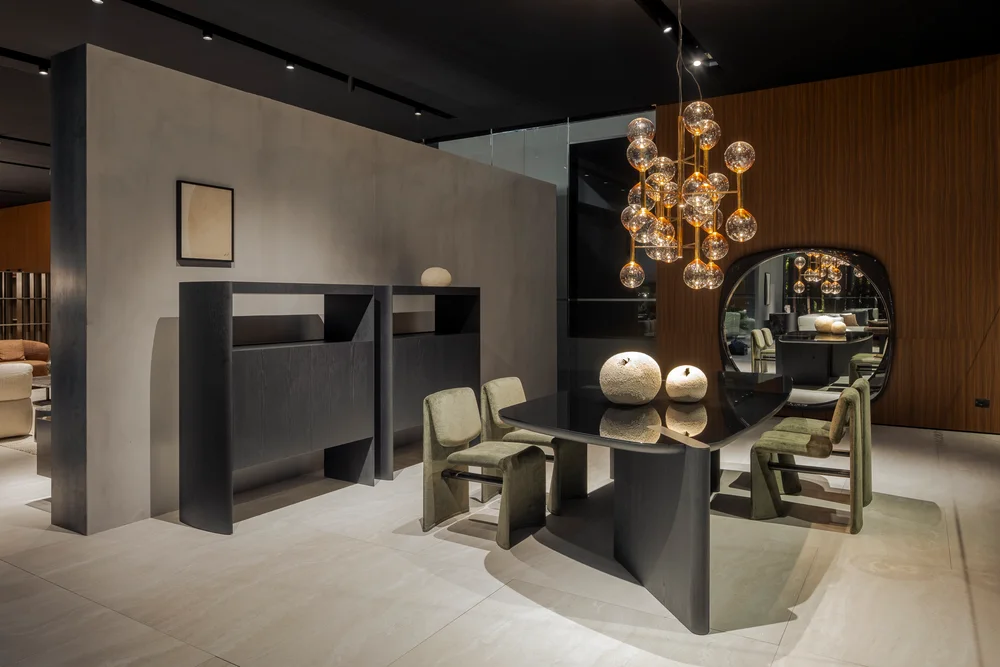
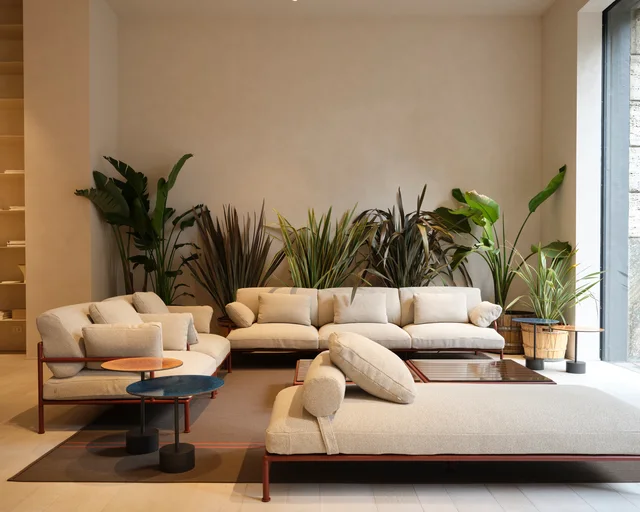
Flagship images present sequences of living, dining and sleeping settings. A recurring palette connects areas with different functions. Compare transitions shaped through light and clear space. At home, you can adopt one colour relationship without reproducing an entire showroom setting.
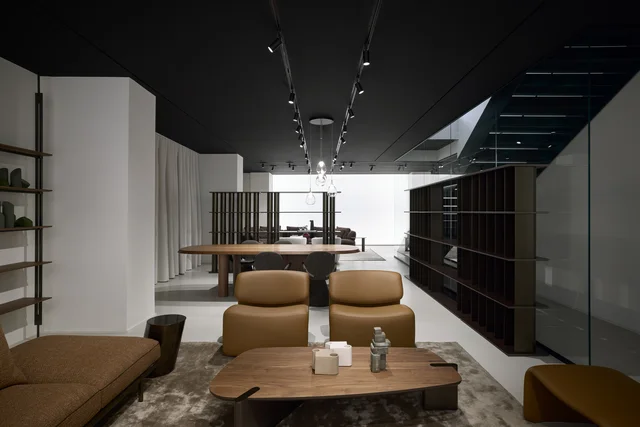
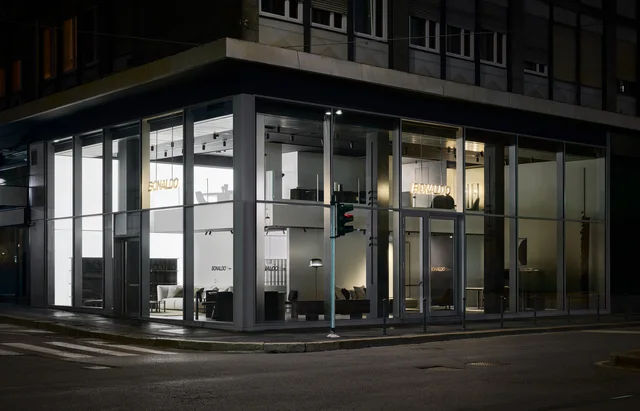
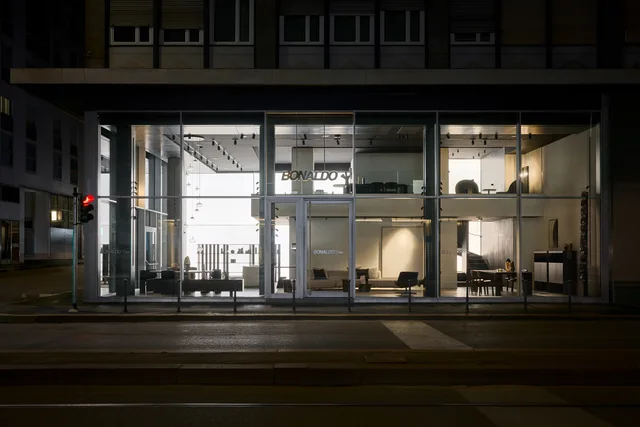
The Milan store images bring different living functions into one spatial framework. Observe how seating, dining groups and storage accompany one another. Recurring colours can connect a sequence even when individual forms differ. This is useful for an interior: objects need not share an identical outline for a room to feel coherent.
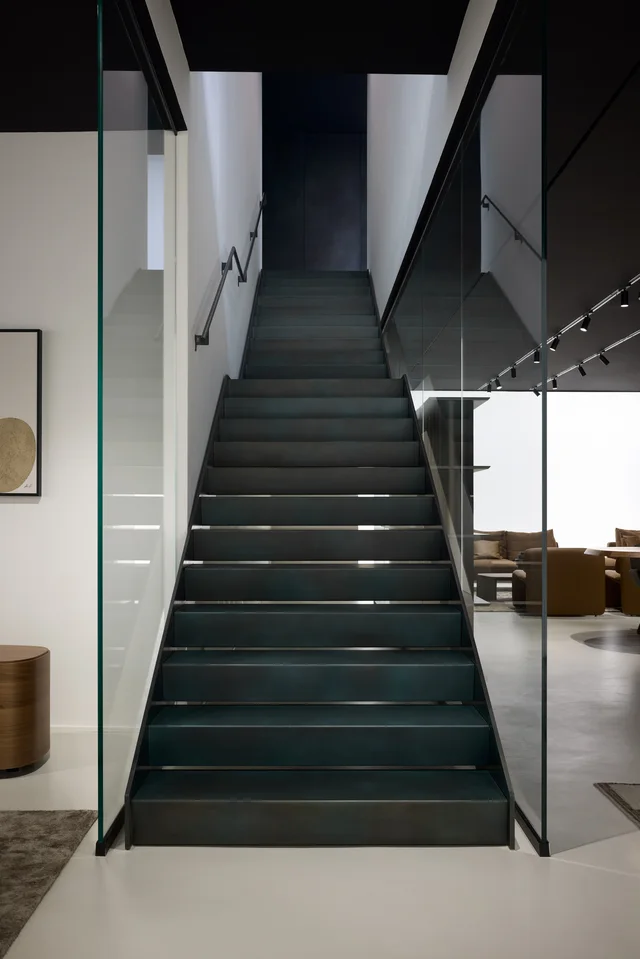
Start by noticing the routes between groups. A display becomes understandable when furniture can be viewed without its outline being hidden completely by other objects. A private room need not reproduce the same distances, but clear sightlines and visible sides matter. A freely placed chair or table base may be the first form encountered from the entrance.
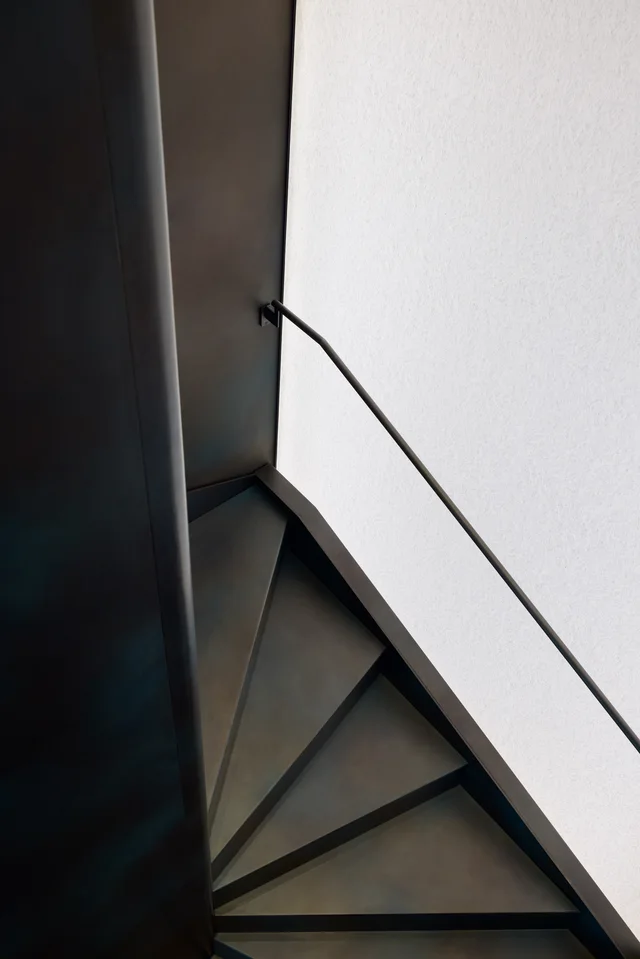
Close-ups focus on transitions between top and support, covering and frame, or front and side. Such details are quieter in the complete view. Compare both scales before choosing a design because of one especially striking detail photograph. A lit showroom scene also provides a colour indication rather than a binding material sample.
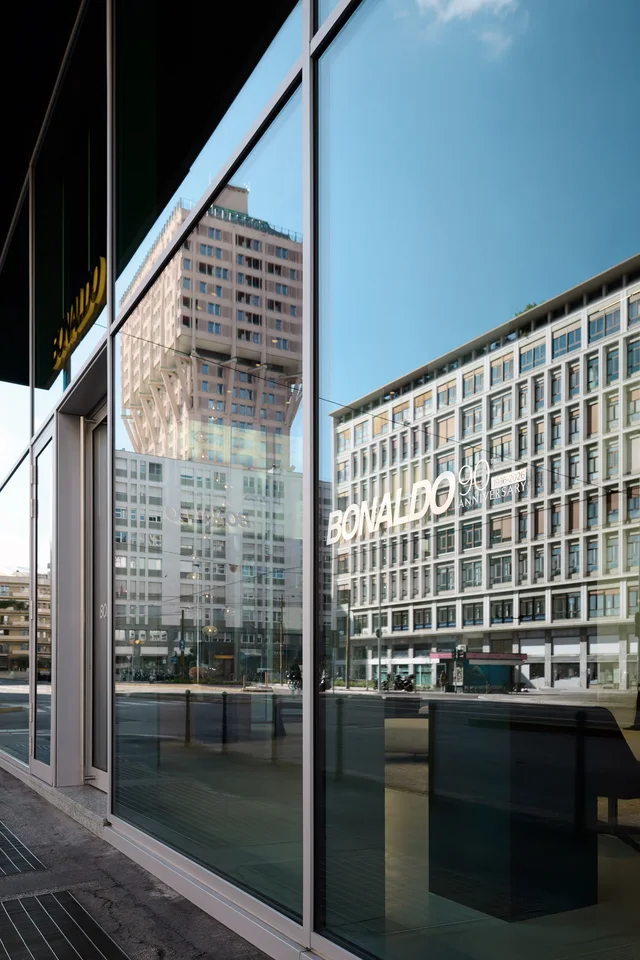
The story documents a Bonaldo manufacturer presentation in Milan. It does not establish current opening hours, availability or a SkyContainer sales location. Associated product pages are more precise when comparing a particular model. An image enquiry is useful when an entire setting interests you: describe the combination and the role you would like it to fulfil in your room. This separates general spatial inspiration from a specific product question. Include your existing furnishings in that description so the discussion can focus on coordination rather than assuming a complete new interior.