Reading the image series
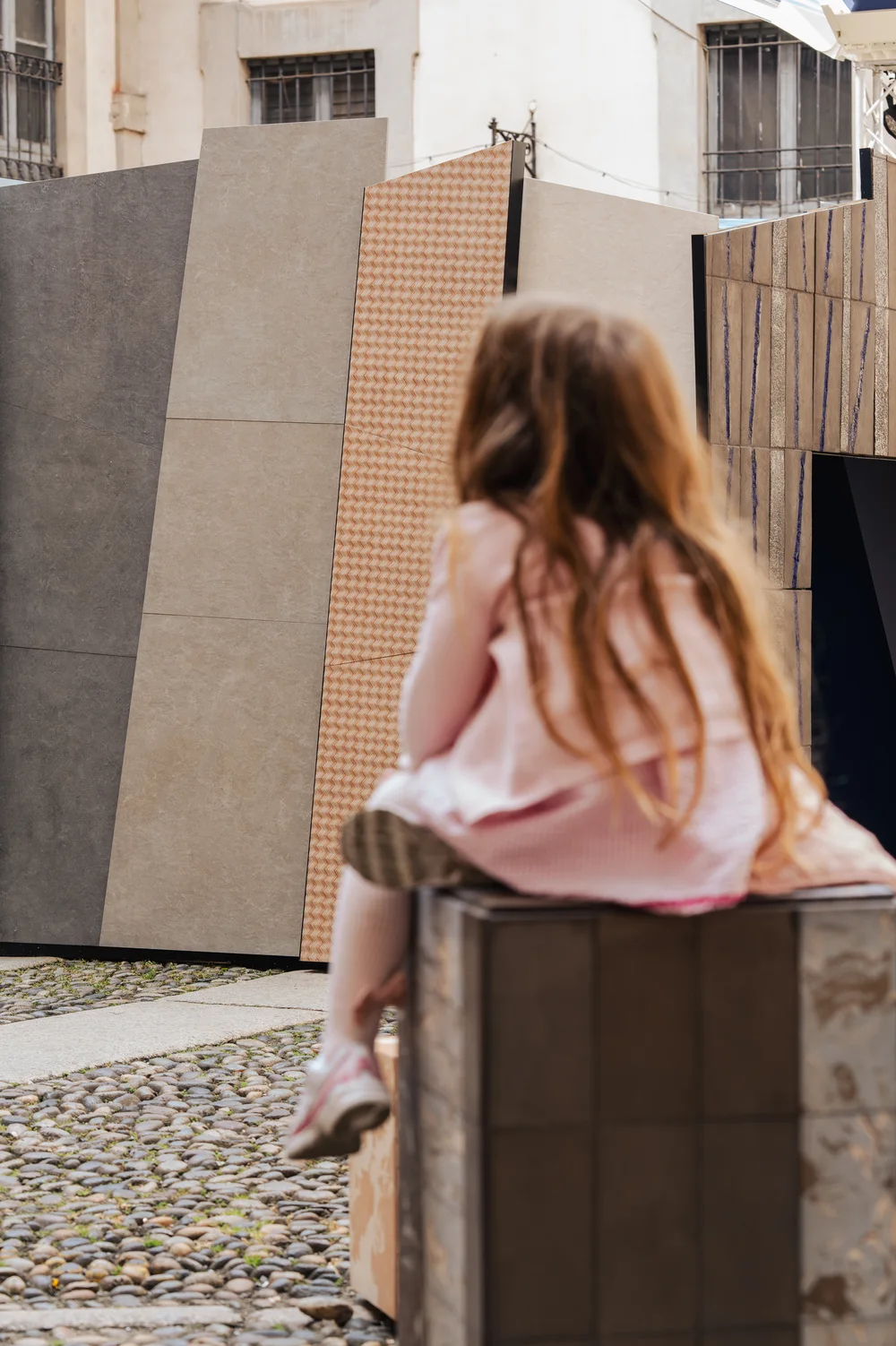
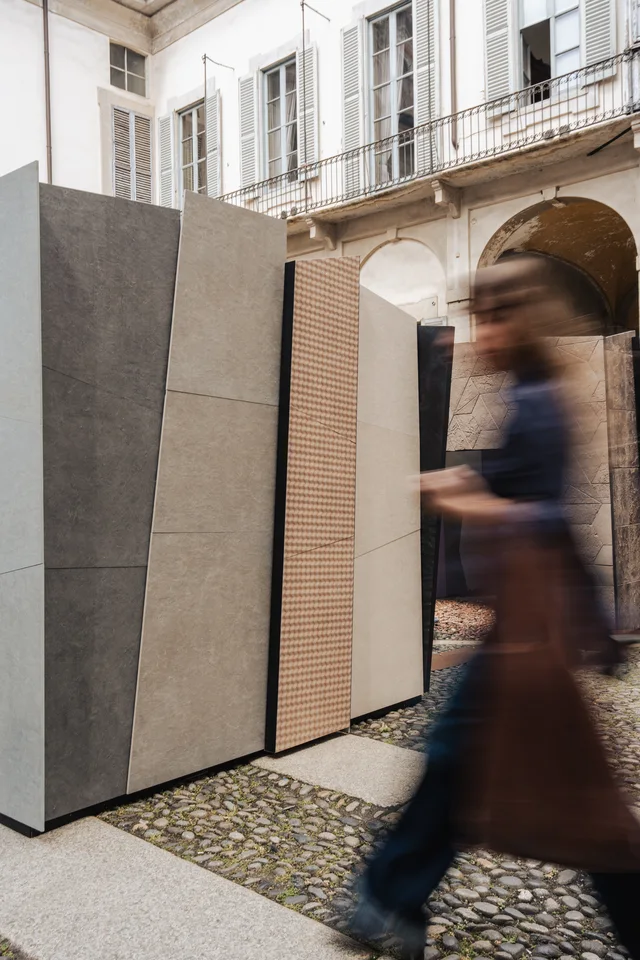
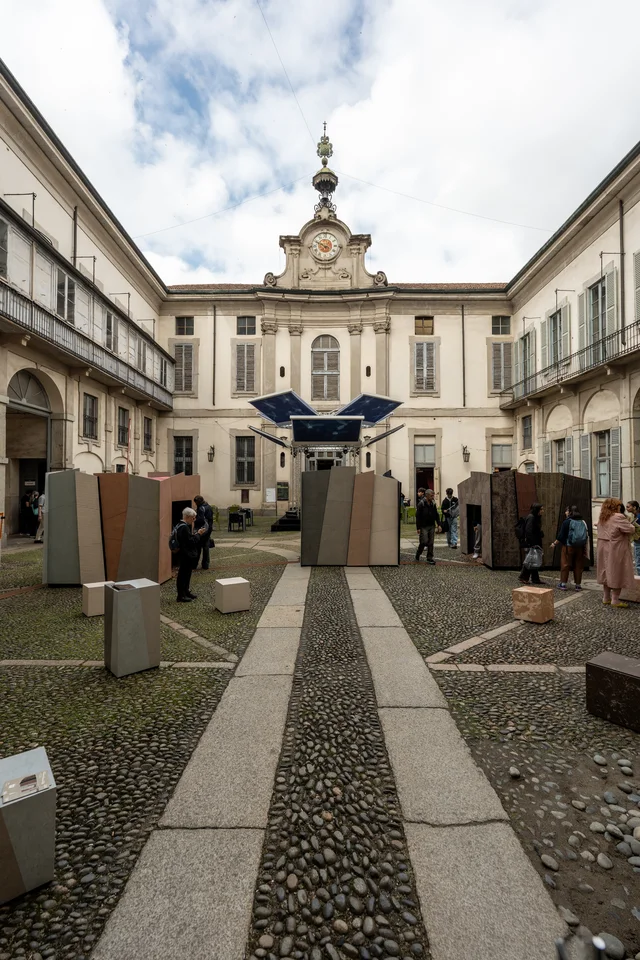
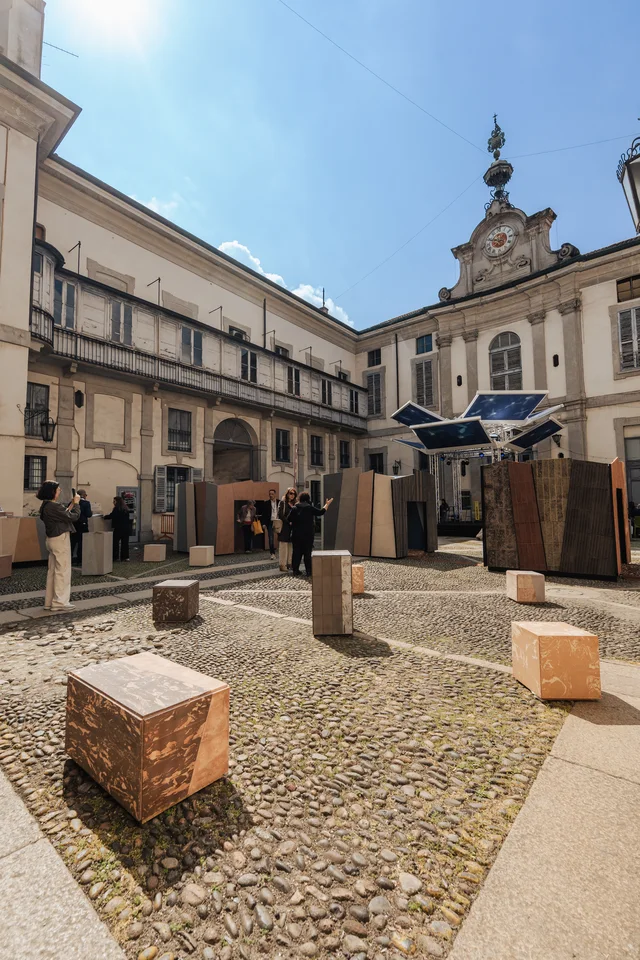
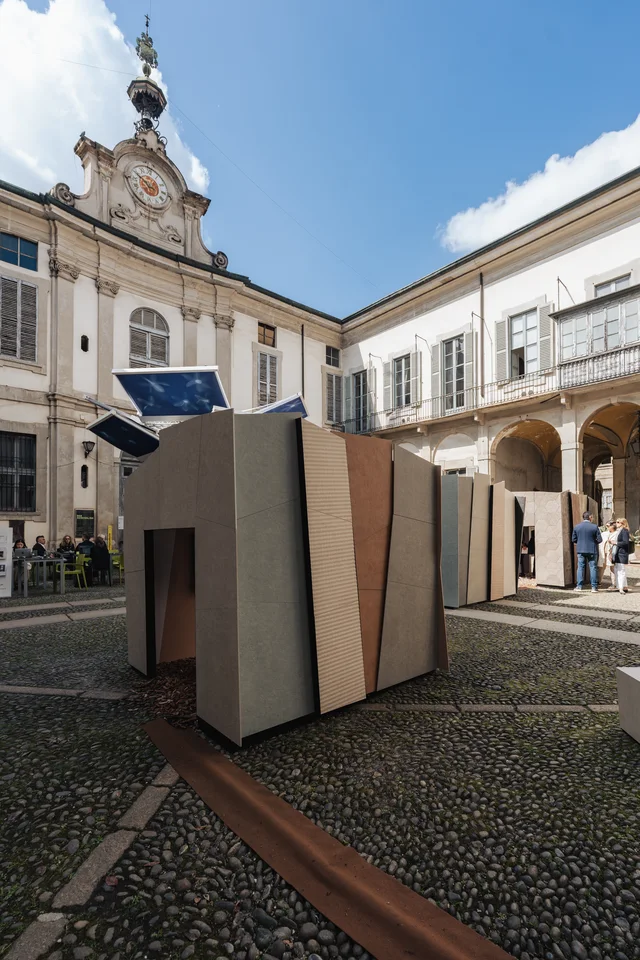
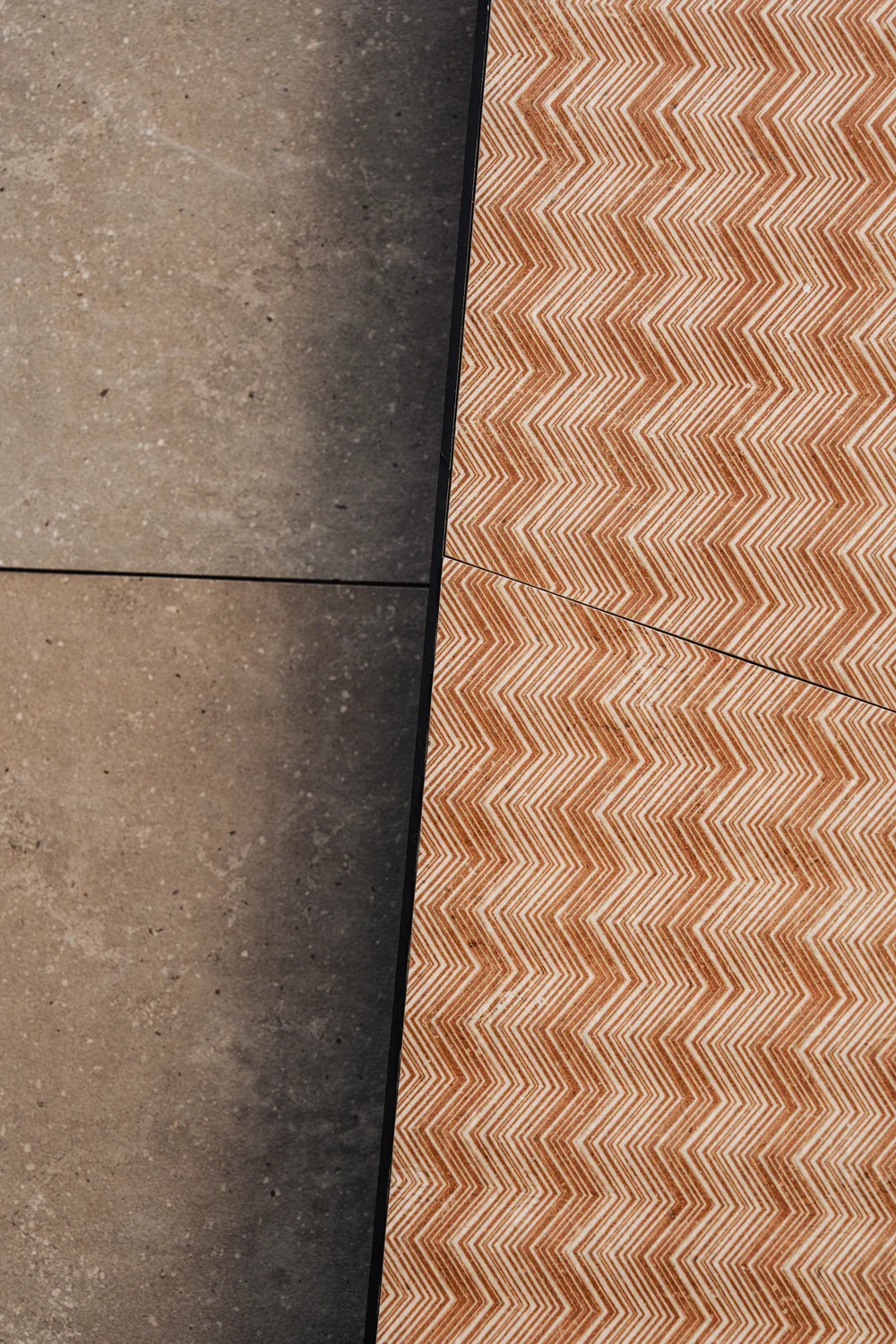
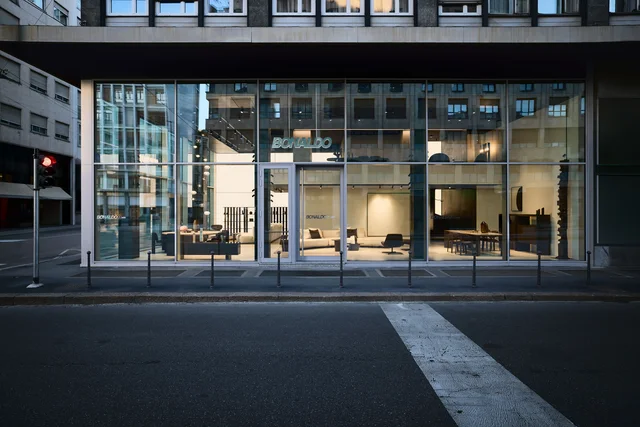
Rare Heart is presented as a dated installation, not a home for sale. Dolmen-like volumes contrast with the surrounding historic courtyard. Details explain the surface, wider views its spatial effect. Related Guja materials appear on their own collection page; this story adds the design context.
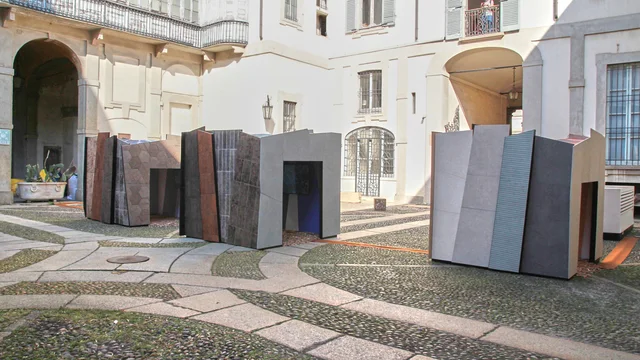
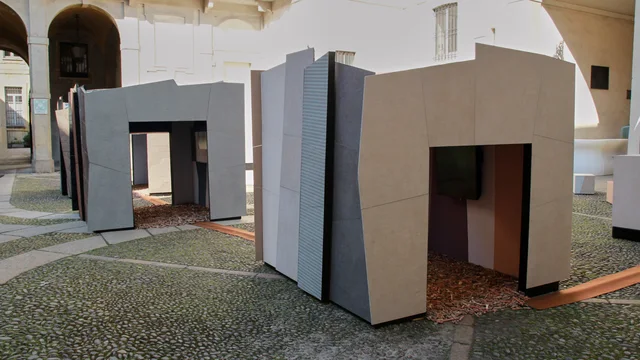
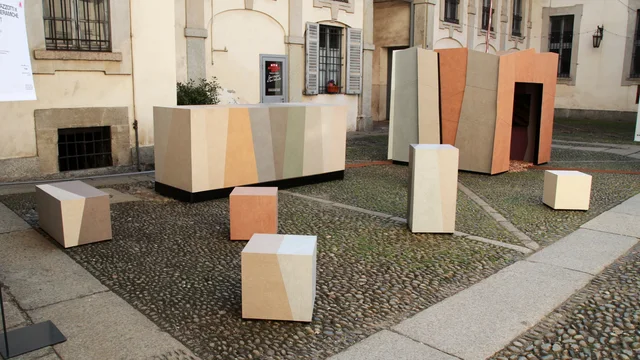
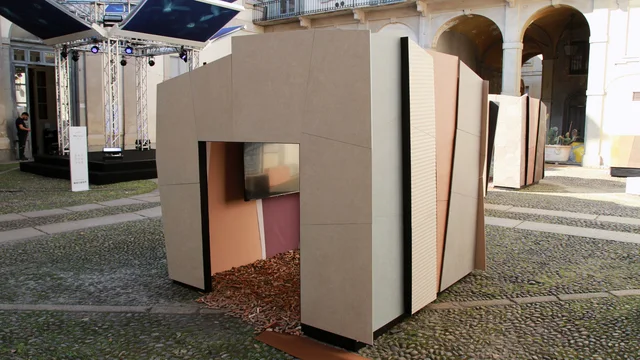
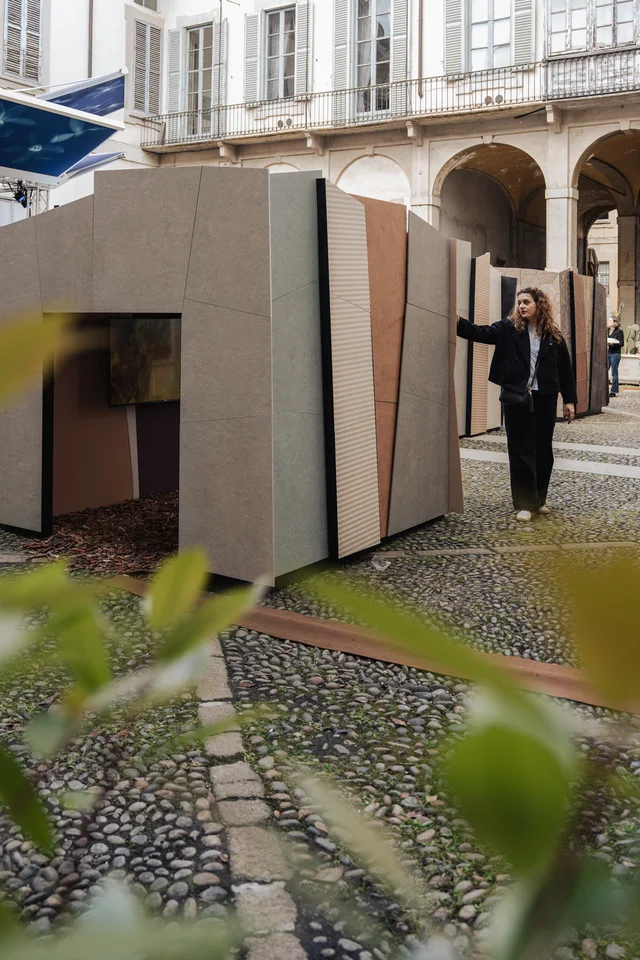
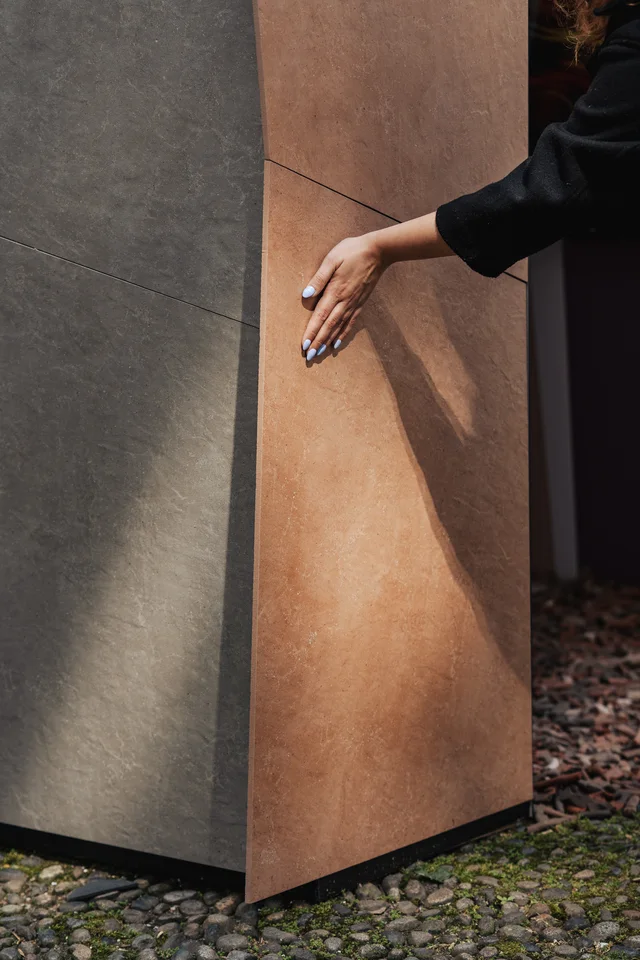
Rare Heart can be read as both a spatial installation and a material study. Three dolmen-like bodies occupy the courtyard and open into passages and interior zones. A complete view explains their relative positions; a close-up focuses on surface, edge and light. Consider these two scales together.
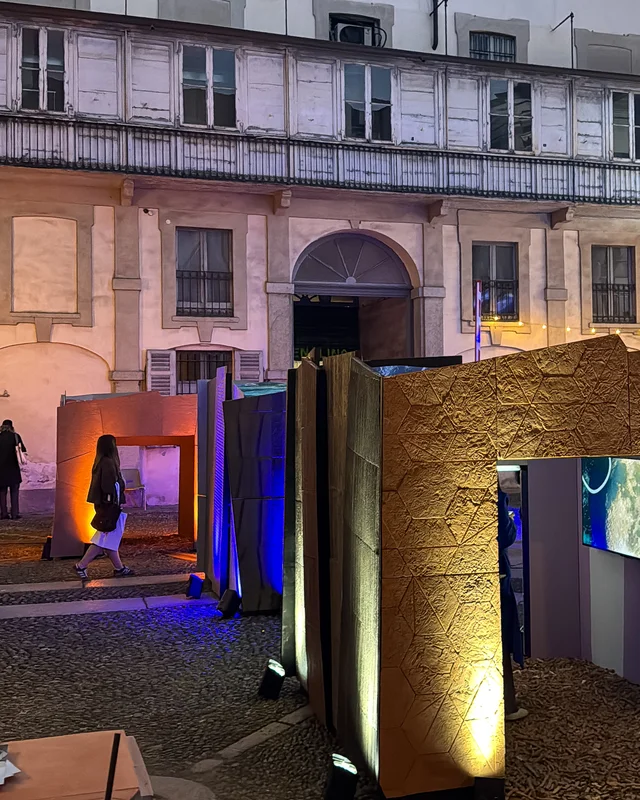
The association with air, water and fire belongs to the documented installation. For a home, it may prompt questions about the relationship between material and atmosphere without suggesting that a monumental structure should be copied. One surface, a framed opening or the transition between lit and dark areas can provide the starting point for a smaller idea.
The series combines daytime and evening effects. Lighting changes the prominence of relief and spatial depth. Do not evaluate a finish solely through the most dramatic photograph. Another view may reveal a calmer impression. Samples and technical specifications are the next step when inspiration becomes a specific choice.
Participants and collections remain distinguishable within the joint work. NovaBell’s Guja differs from Italianhousefloor’s CottoZero trilogy. The dedicated Guja page provides a more precise comparison of its ceramic views. This story documents Milano Design Week in April 2026 rather than announcing an ongoing event or claiming a SkyContainer construction project. In an image enquiry, explain the detail of interest and whether your question concerns a finish or the spatial idea. The distinction remains clear even where one photograph includes several materials. Use the overall view to retain the installation’s context and the detail view to identify your exact starting point.